Friday, April 8, 2011

Impact of Fire in relation to Farming in Western Kenya.

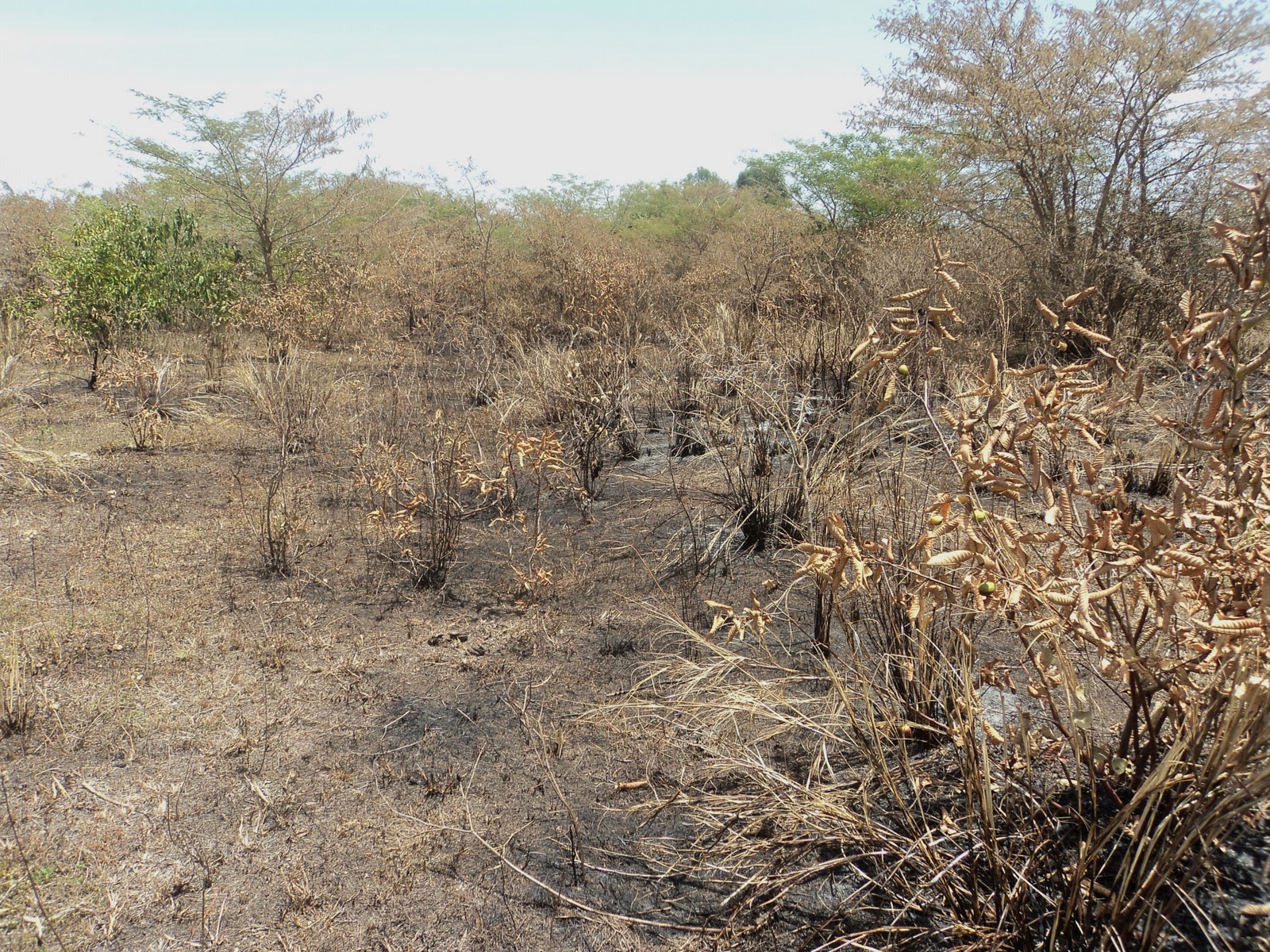
For decades now, the concept of clearing farms with fire has remained a common practice amongst the communities dwelling in the Western Kenya region. Fire is a decisive factor in cultivation: slightly burnt or unburnt areas are wholly unproductive.

This is an idea that have drawn this region tremendously back in terms of farm productions even though statistics indicate that a larger portion of this region is being used for crop production.
A fire of normal intensity of 45 C destroys all the soils nutrients and micro organisms that support the productions of this soils and that is why no matter the mass of acreage utilized for production, we still suffer of food insecurity. It would be a worthy campaign if both you and me take on this initiative of creating awareness amongst our people. This campaign requires no mass, but just a minute chat with a farmer can make a big difference. Let's meet in the field.

Ndhiwa Maarifa Receives' Books Donation from Ndhiwa Ministry of Education

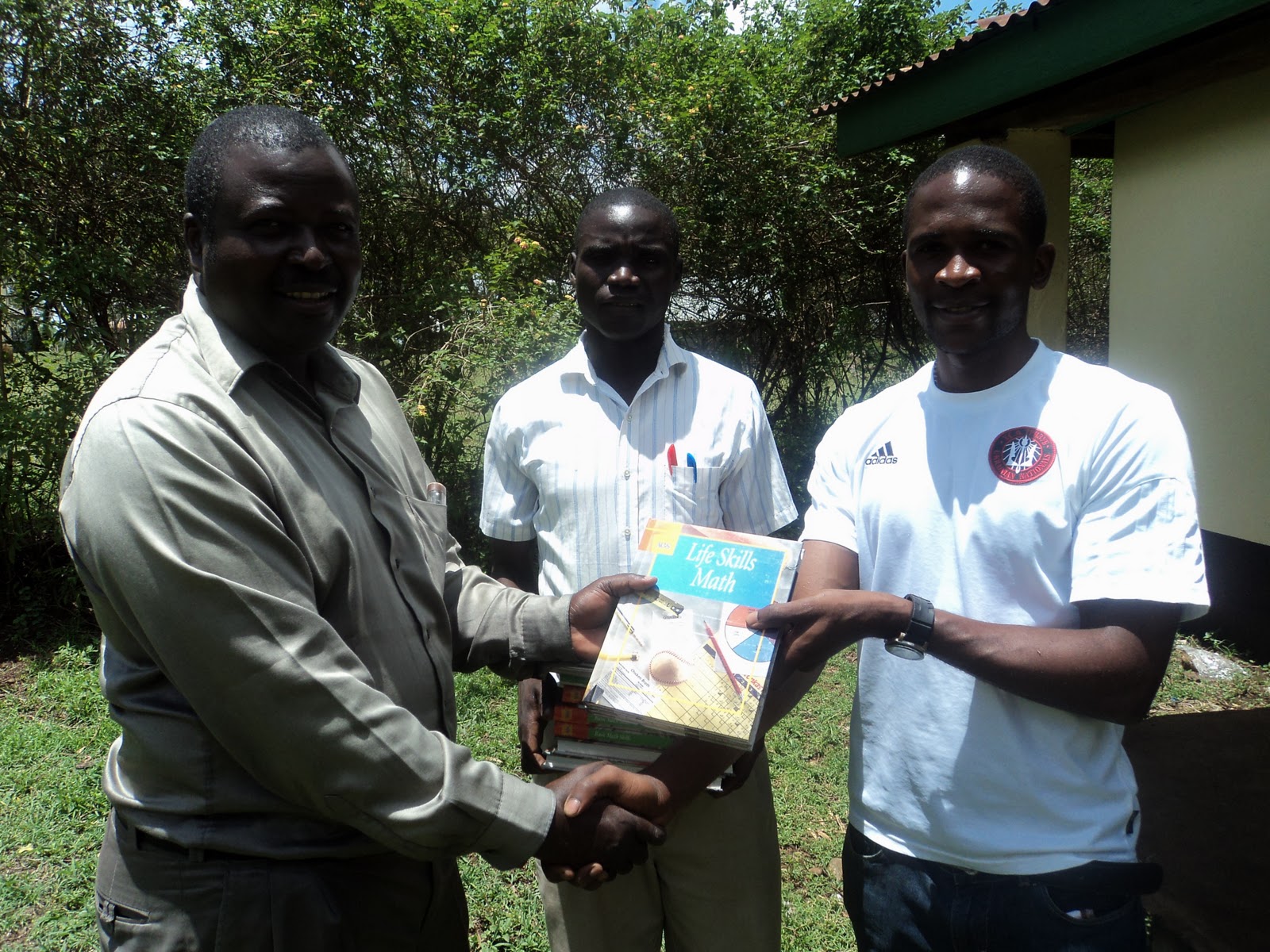
Ndhiwa Maarifa Centre is privileged to receive a books donation from Ndhiwa Ministry of Education under the courtesy of Mr. Mboya to support the growth of this community library.
We have learned with time that the culture of corporate responsibility can only be achieved if both me and you can learn to appreciate and support whatever is good for our people.
I would like to take this chance to celebrate and appreciate all our friends and partners who have been with us through out this organization year as we usher in 2011. Your efforts shall be remembered forever for having made us what we are today. Thanks to Book Aid International, FORD Foundation, CTA, DFID and all our international and local donors of the year.

Monday, March 21, 2011

Community Benefits from Nets at the Maarifa Centre from Osano Maternity Nursing Home.

The intimate relationships between parasites or viruses, and their vectors, hosts and natural environment make this ecological web extremely sensitive to disturbances.Therefore, environmental and socio-economic changes, such as global warming, deforestation, commercial development and construction of water-control systems, are expected to exert a huge impact on the transmission of viral and parasitic diseases,such as Rift Valley fever, yellow fever, schistosomiasis, filariasis and malaria.
Theoretically, one infective mosquito bite is enough to acquire an episode of malaria. Clinical symptoms may range from mild, such as fever, abdominal pains, nausea and vomiting, to severe and life-threatening, such as anaemia, renal dis-function and cerebral malaria.
It is out of such research and experiences that Mrs. Emmy Osano  took the initiative of having a talk with the youths at the Maarifa Centre on the of malaria causes and impacts  to a society like this. After the short briefing, Mrs. Emmy served them with free mosquito nets  for the implementation surety of her desire to have a malaria free community. Thanks a lot for her motherly care!

How Can the Reading Culture be nurtured in a Community.

It only matters how much one values the degree of knowledge that a parent seeks for the best education foundation for his/her child.
Child’s reading promotion is a complicated systematic project which involves a complete process from creation, publication, recommendation to marketing and procurement.
The promotion involves participation by households, kindergartens, schools, communities, libraries and book stores and is affected by the reading atmosphere at the whole society.
Public library, as an important part of child reading, plays its unique role and indispensable part in the whole process and that is why Ndhiwa Maarifa Centre is encouraging parents to allow the young ones access the free library services at this early age to give room to the reading culture in these minds.

Wednesday, March 16, 2011

Lake Victoria Chokes under the Water Hyacinth

Water hyacinth was introduced to Africa over a century ago, but it did not become a problem in Lake Victoria until the early 1990s.
It covered substantial areas of the coastline, particularly in Uganda, blocking waterways, disrupting hydro-power, and decreasing the profitability of fishing.
Hyacinth also provided refugia for some species from the introduced Nile Perch. It largely disappeared from the Lake in the late 90s, perhaps, but not clearly, due to the introduction of a weevil used for biological control. It experienced a resurgence in the early 2000s.
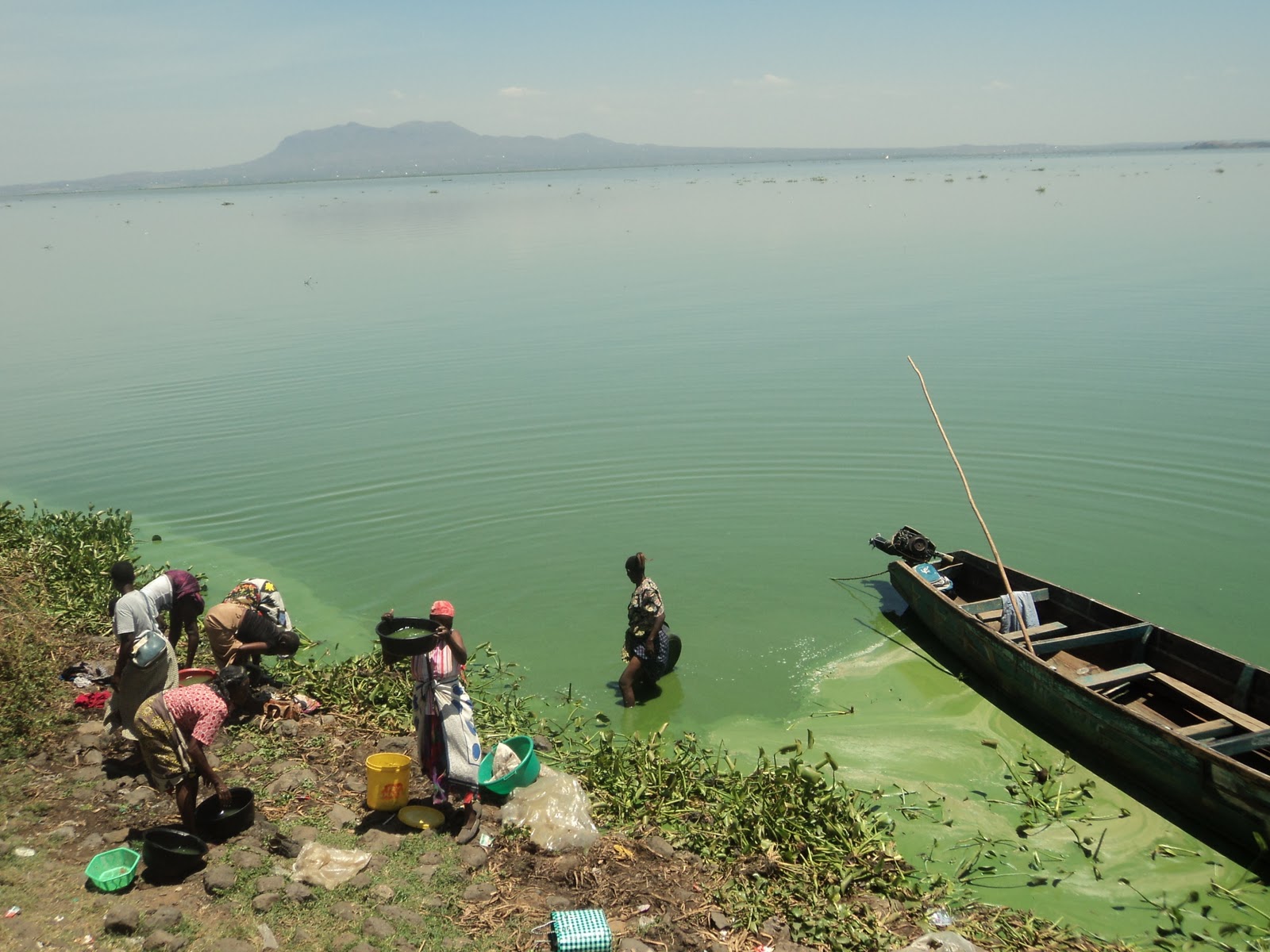
Now following a wet year, which increased nutrient runoff into the lake in 2010, the spread of the weed has been tremendous covering the largest bit of the lake.
Currently, the lakes pollution has been worsened by the continuous rotting hyacinth that has made this water pathetic to the lakeside communities.
HomaBay residents stand out to be the most affected since they rely on the lake as the source of their daily income and for drinking water too. As per the current situation, the economic standard of this town has dropped by almost 35% as compared to 1992.

Friday, March 11, 2011

Going it the Green way...

Each year, farmers in East Africa struggle from a shortage of tomatoes and other horticultural crops. Devastating rains cause the problem, and the fruit shortage causes tomato prices to shoot drastically higher.
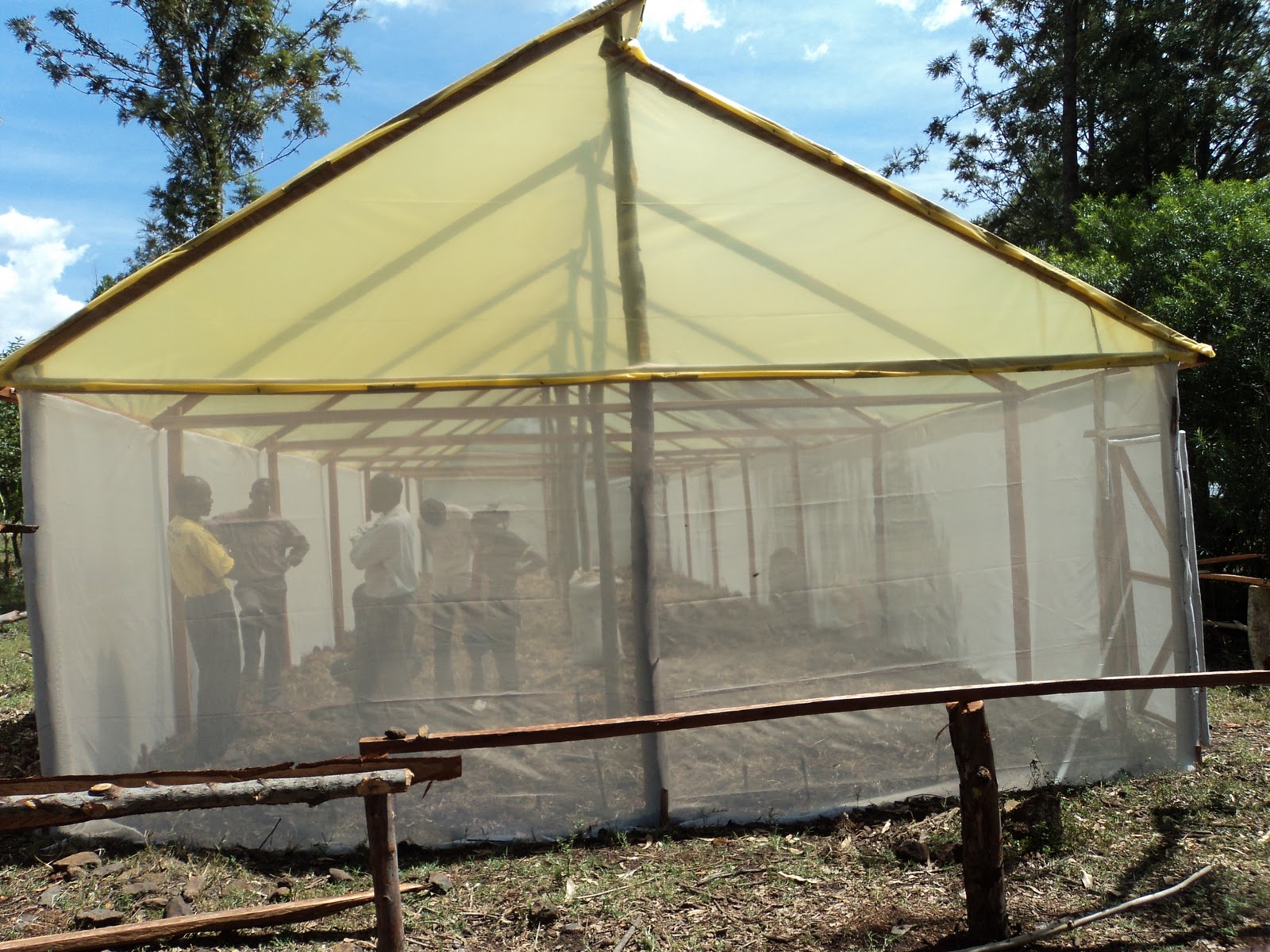
Green house production is one of the technologies that were rarely realized in Nyanza province in the past decades, but as evolution and information hits on hard on technology, green house production has taken root in the region and soon after the first harvest, farmers shall reap what they sow.

Organizations such as Seminis, Amiran Kenya and APHIA II USAID  are answering East African farmers’ call for help by finding a solution to the devastating issue of climate by supporting the growing tomatoes in a greenhouse.  “I strongly believe this is the way forward for enhanced food security and farmer incomes,” says Peter Francombe, Seminis Africa Lead and General Manager in East Africa who has been a major contributor in moving this project forward.