Monday, February 21, 2011

Community Adaptation to Climate Change


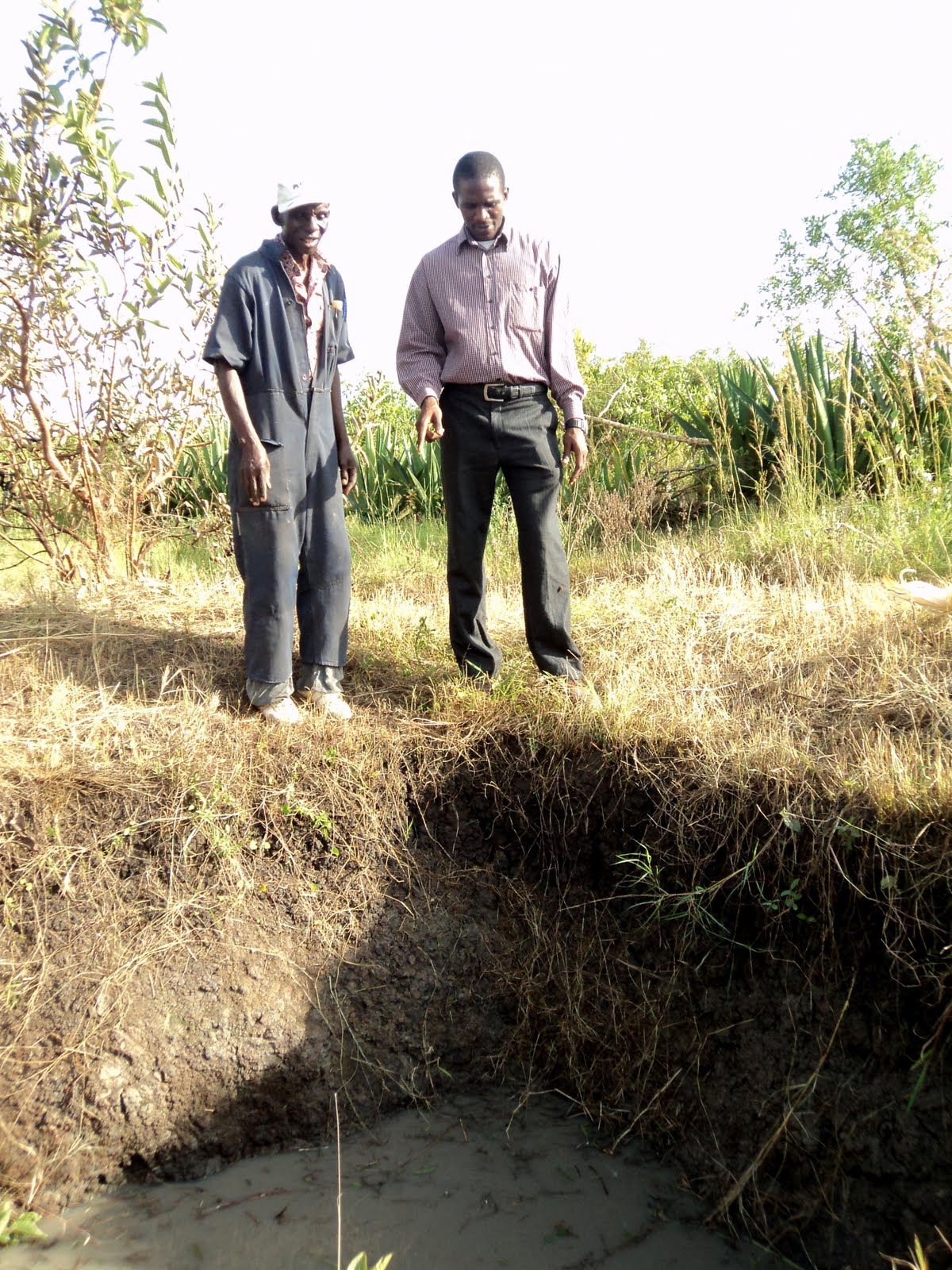
Mr. Onono Ligaye is a 73 year old farmer, a member the Alin network; who saw an article on the Baobab Publication, sometimes last year, on runoff water harvesting and conservation and implemented the idea.

From last year December 2010, we have encountered a dry spell and most farmers here are still waiting for the rains. Unlike Mr. Ligaye, he has been using the water from his hand dug reservoir to irrigate his produce.

During an interiew with him, Mr. Ligaye who dwells 4KM away from the center, shared with us the benefits he has encountered since he initiated this project and in the short video, he gives us a message to pass to the rest of the farmers who still depend on rain; To watch the video click: http://www.youtube.com/watch?v=utaepflFYZY

Monday, February 7, 2011

Accounting for every drop

It is out of the effects of climate change that most farmers in this region have failed to congregate their expected production outcome.

As a centre, our partners and the Alin organization, through publications, multimedia, field visits and through the intermediaries, we have taken the initiative of promoting an understanding of the climate change in terms of concepts, causes, risks and its implications on food security and agriculture after undertaking an expansive agricultural vulnerability assessment.

From the latest observations, it is has dawned into a reality to most farmers that new techniques of production have to be placed on board to encounter this climate alteration.

It is a relief at the rate at which most farmers have prepared their lands in time and are waiting for the first rains and to begin sowing. Can i we dub it 'ukulima pap! '

This kind of idea was not there at the beginning and most of the first rains got wasted in the name of farm preparations.

Sunday, February 6, 2011

Hosting Proffessor Ogembo

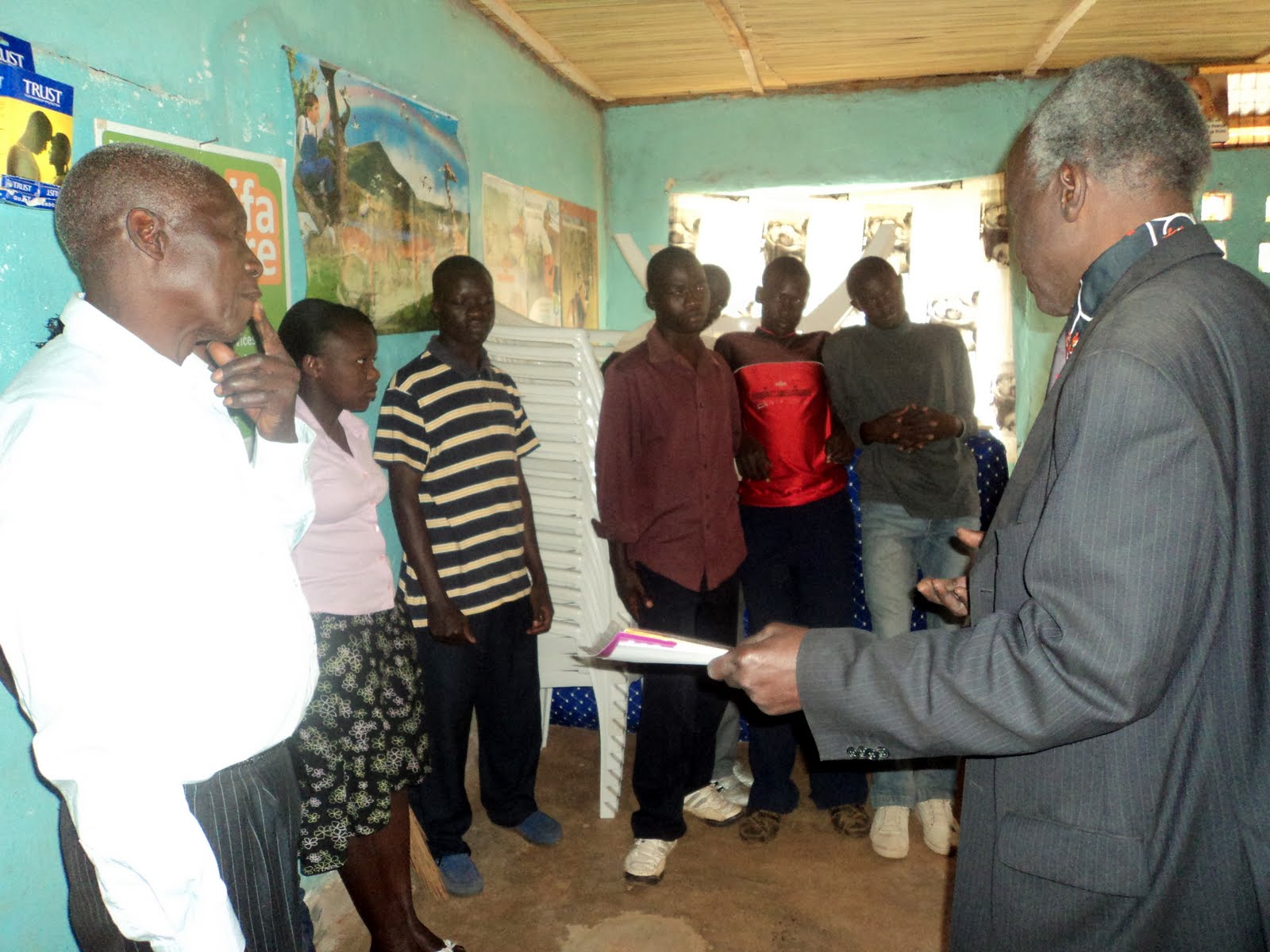
For the month of January 28th, we had the privilege of hosting Professor Onyango Ogembo of the Nairobi University as a guest at the center.

Even though the professor was on his way back to Nairobi when he paid us a courtesy visit, he spared a moment with the youth at the center and shared a lot in terms of career guidance and the importance of this Maarifa Centre.

Most of us were surprised of how much we assumed that we know yet we didn’t. In attendance was the IRD-K Executive Director, Mr. Robert Osano and the governor in waiting Mr. Philip Auko.

From this short talk, I realized the importance of inviting experts frequently for open talks for they psychologically nourishes our know how as a community. A resolution from this, we shall have to invite at least 1 guest a month to share such talks with.

Tuesday, January 25, 2011

Communities Perish in Wealth

Mango is a tropical fruit of great economic importance if its nutritional and economical value is to be considered. We realize that the importance of any product is only recognized when its value is realized by its producer.
For years now, indigenous mango fruit has been produced in the tropics of Nyanza province and its performance here has proved to be very credible. As nature dictates, all these trees usually fruit at the same period of the year, giving a fruity scent all over the village, it is the fruity month of December! The excess of these fruits can never be consumed by the immediate local market. We have grown to see communities here perish in an advanced poverty scale as they dwell in deep wealth. A third of these fruits from this region have rot in farms for the past centuries, yet no authority has had an eye to correct these! These efforts need to be appreciated and tapped for the growth of the entire economy.

Thursday, January 13, 2011

Bringing the Library to the Community

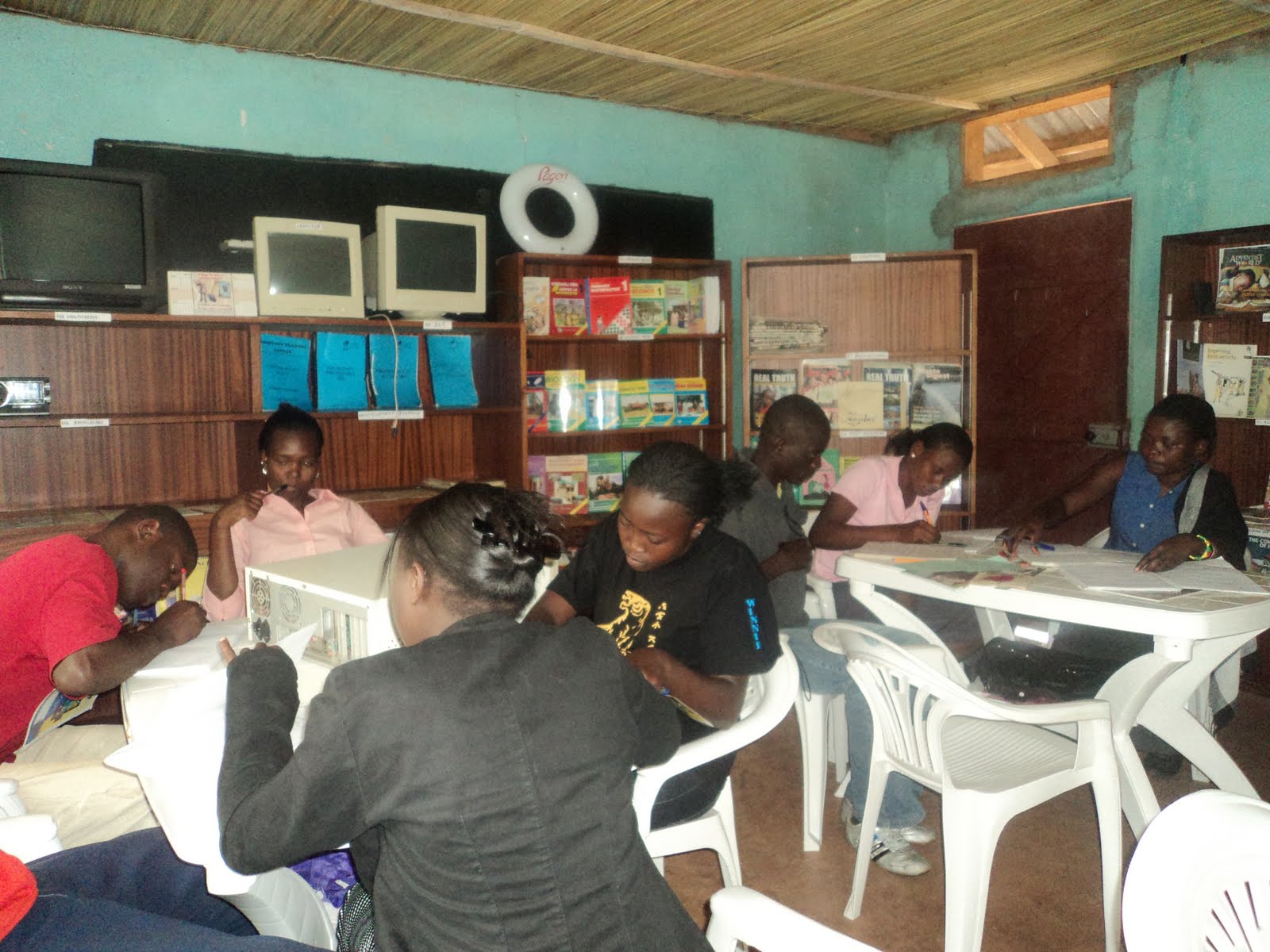
In Africa, when an old man dies, it is a whole library that goes down. Ndhiwa Community Maarifa Center and the entire community highly appreciates the efforts made by ALIN, Institute for Rural Development Kenya and the Book AID foundation in seeing the installation of this one and only community library in this region.
With the reception of the secondary and primary school text books at the center, the idea is being appreciated by every individual who comes across the information from all corners. Most of our sons and daughters here come from economically challenged families. To most of them, owning a personal text book here is a bad dream.
We are glad that most of the students can now work on their school assignments from here and even borrow the books to work from home hence presenting them on time.
Our appeal now is to source for more resources and copies of these text books to enable us begin a mobile library down into the interiors of these community.

Thursday, December 16, 2010

Keeping bees and harvesting honey in relation to gender

Keeping bees and harvesting honey are traditionally seen as jobs for men, in many countries. But when using modern types of beehive - which are kept on the ground rather than put in trees - beekeeping can be a very good way for women to earn extra income.

In Uganda, the Api-Prodex company is promoting beekeeping in farming communities, through training and supply of equipment. Farmers are able to lease beehives, smokers and other equipment from the company, and repay the cost through honey sales. They are also given full training in beehive management to maximise their honey production.

The company, now over ten years old, is run by Margaret Ndekera, who was recently recognised at an Africa-wide forum for agribusiness leaders. At the event, in Kampala, she explained more about her successful business to Pius Sawa.

To listen to the full interview, click here: http://www.agfax.net/radio/detail.php?i=384